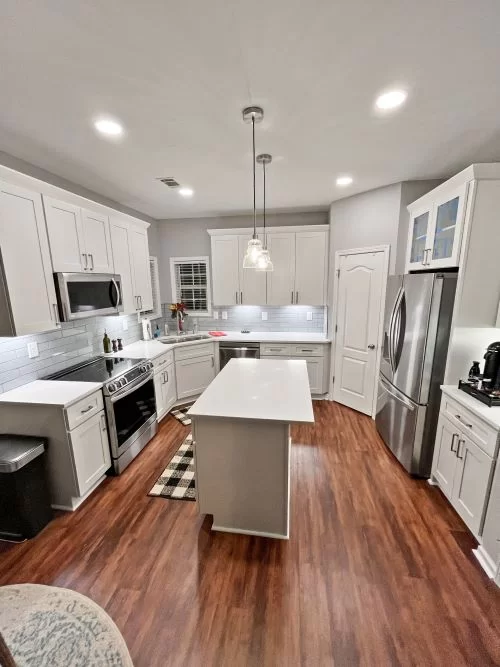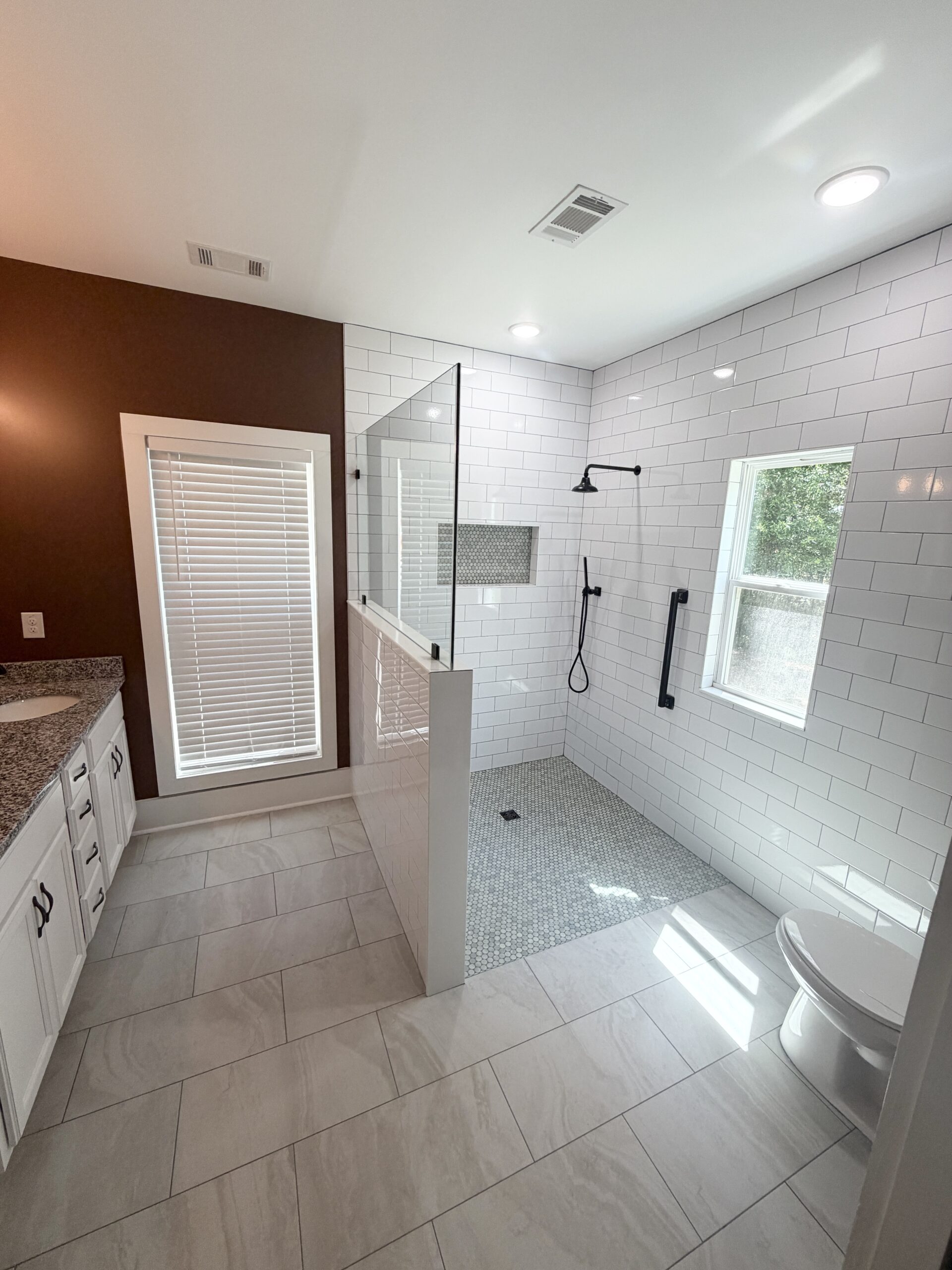

Yes, you can usually live in your house during a kitchen remodel, especially when the work is limited to the kitchen.
But that does not mean everyday life will feel normal.
Your sink may be disconnected. Appliances may be unavailable. There will be construction noise, workers entering the home and periods when cooking in the kitchen simply is not possible.
A little planning before demolition can make the difference between a manageable renovation and several stressful weeks.
Should You Stay Home During a Kitchen Remodel?
For many standard kitchen renovations, staying home is practical.
You may be comfortable remaining in the house if:
- The project is limited mainly to the kitchen.
- You have another usable bathroom.
- There is another area for a temporary kitchen.
- You are comfortable with daytime construction noise.
- Dust-control measures are in place.
- Your household can adapt to a simplified routine.
Moving out temporarily may be more practical during a larger renovation involving multiple rooms, major structural changes or periods when important utilities are unavailable.
Every household is different.
A couple working away from home all day may find the process relatively easy, while a family with young children, pets or someone working from home may need additional planning.
How Long Will Your Kitchen Be Unusable?
The answer depends on the scope.
A cosmetic kitchen update can move fairly quickly.
A full kitchen renovation involving cabinets, countertops, plumbing, electrical work, flooring or structural changes takes longer.
Hill Residential Contractors indicates that many complete kitchen remodeling projects run approximately four to eight weeks, depending on scope.
However, the kitchen may not be completely unusable for that entire period.
A good project schedule coordinates different trades so construction moves efficiently from demolition through final installation.
Create a Temporary Kitchen Before Demolition
Do not wait until your stove and sink are disconnected to decide where you will prepare food.
Set up a temporary kitchen somewhere outside the construction zone.
Possible locations include:
- Dining room
- Basement
- Laundry area
- Garage
- Home office
- Spare bedroom
Choose an area with safe access to electrical outlets and, if possible, nearby water.
What Should You Put in a Temporary Kitchen?
You do not need to recreate a full kitchen.
A simple setup can handle breakfast, drinks and basic meals.
Useful items include:
- Microwave
- Coffee maker
- Electric kettle
- Toaster or toaster oven
- Air fryer
- Small induction cooktop where appropriate
- Mini refrigerator
- Paper plates
- Disposable or reusable utensils
- Food-storage containers
Move frequently used pantry items to the temporary area before construction begins.
Coffee, cereal, bread, snacks, bottled water and simple meal ingredients should be easy to reach.
The goal is to avoid entering the construction zone every time someone wants something to eat.
What Do You Do Without a Kitchen Sink?
Losing access to the kitchen sink is one of the biggest inconveniences.
If another sink is available, use it for basic washing, but avoid putting food scraps or grease into sinks that are not intended for kitchen use.
Some families rely more heavily on disposable plates during the most disruptive phase of the renovation.
Planning meals that require minimal cleanup can also help.
How Do You Cook During a Kitchen Remodel?
Think simple.
A kitchen remodel is probably not the best time to plan complicated meals that require multiple pots and pans.
Useful options include:
- Slow-cooker meals
- Air-fryer recipes
- Sandwiches
- Salads
- Prepared foods
- Outdoor grilling
- Freezer meals prepared before demolition
You can also schedule occasional restaurant or takeout nights without relying on them for every meal.
A small meal plan for each week can save money and reduce stress.
How Bad Is the Dust During a Kitchen Remodel?
Demolition and construction create dust. Good contractors use containment methods to limit how much reaches the rest of the home.
Dust-control measures may include:
- Plastic barriers
- Sealed doorways
- Floor protection
- Air filtration
- Organized debris removal
- Daily cleanup
Before work starts, ask how your contractor will isolate the construction area.
Also remove decorative items, small appliances and personal belongings from nearby areas.
What About Children During a Remodel?
Construction zones are not safe play areas.
There may be:
- Tools
- Exposed wiring
- Nails
- Debris
- Open wall cavities
- Heavy materials
Create a clear rule that children do not enter the active work zone.
If you have very young children, staying elsewhere during demolition or particularly disruptive phases may be worth considering.
What About Pets?
Pets can also struggle with remodeling.
Noise, strangers entering the house and frequently opening doors can create stress or escape risks.
Keep pets in a secure room away from construction or arrange temporary care during the busiest phases.
Make sure the contractor knows pets are in the house.
Can You Work From Home During a Kitchen Remodel?
You can, but plan around noise.
Demolition, cutting, drilling and installation can make video calls difficult.
If you work remotely, consider:
- Moving your office as far from the kitchen as possible.
- Using noise-canceling headphones.
- Scheduling important calls around known construction activities.
- Using a coworking space during demolition days.
Ask your contractor what major work is planned for the next day so you can adjust your schedule.
When Should You Consider Moving Out?
Temporary relocation may be more comfortable if:
- You are remodeling several rooms at once.
- The kitchen is part of a major structural renovation.
- Utilities will be disconnected for extended periods.
- Someone in the household is highly sensitive to dust or noise.
- You have infants or very young children.
- Your home layout makes it impossible to separate living areas from construction.
Moving out does not necessarily mean leaving for the entire project.
Some homeowners stay elsewhere only during demolition or major structural work and return once the project becomes less disruptive.
How to Make Living Through a Kitchen Remodel Easier
Pack Before the Contractor Arrives
Empty cabinets and countertops completely.
Label boxes based on what you will need during construction and what can remain stored.
Keep Essentials Separate
Do not bury coffee cups, medications, pet food or children’s items in storage boxes.
Expect Some Noise
Discuss normal working hours with your contractor before construction starts.
Protect Nearby Rooms
Close doors and move sensitive electronics away from the work zone.
Plan for Deliveries
Cabinets, countertops and appliances can take up significant space. Ask where materials will be stored.
Communicate Regularly
Knowing what happens next makes living through construction much easier.
Ask about upcoming inspections, utility shutdowns and major installation days.
Frequently Asked Questions
Can I stay home during a kitchen remodel?
Yes. Many homeowners stay home during a single-room kitchen renovation, provided the work area can be separated safely from the rest of the house.
Where do you cook during a kitchen renovation?
Create a temporary kitchen with a microwave, small refrigerator and countertop appliances in another room.
How long will I be without a kitchen sink?
It depends on the project schedule and plumbing work. Ask your contractor when the old sink will be disconnected and when the new one is expected to become functional.
Is kitchen remodeling very dusty?
Demolition creates dust, but barriers, floor protection, cleaning and proper containment can significantly reduce how much spreads through the home.
Should I move out during demolition?
It is not always necessary, but families with small children, pets or sensitivity to construction noise may find it more comfortable.
Planning a Kitchen Remodel in Gwinnett County?
Living through a renovation is easier when the project has a clear schedule and communication plan.
Hill Residential Contractors provides full-service kitchen remodeling in Gwinnett County and North Atlanta, coordinating design, demolition, cabinetry, countertops, plumbing, electrical, flooring, structural changes and final finishes.
A successful kitchen remodel is not only about the finished photos. The construction process matters too.