
Tips and Hacks to Fix a Slow Drain Sink Before It Overflows
Few things are more frustrating than turning on your faucet only to watch soap suds, food particles, or toothpaste pool in a sluggish bowl. Knowing how to fix a slow drain safely can save you a massive headache and protect your cabinetry from accidental water damage.
While minor hair chunks or soap scum accumulations are easy enough to clear with basic household tools, recurring clogs often point to a deeper structural problem. Whether you are troubleshooting a temporary blockage or considering a comprehensive Gwinnett County bathroom remodel to swap out your home’s outdated plumbing, here is a practical guide to handling slow drains.
Before you reach for harsh, corrosive chemical drain cleaners—which can actually eat away at your home’s older copper or PVC piping—try these non-toxic, highly effective methods:
1. The Baking Soda and Vinegar Volcanic Flush
For mild clogs caused by grease build-up in kitchen sinks or soap binding in bathroom vanity drains, a natural chemical reaction works wonders.
-
Pour 1/2 cup of baking soda directly down the drain opening.
-
Follow it immediately with 1/2 cup of plain white vinegar.
-
Cover the drain with a stopper or rag to trap the carbon dioxide fizz inside the pipe.
-
Let it sit for 15 minutes, then flush the lines completely with a kettle full of boiling water.
2. Manually Clear the Zip-Tie or Plumbing Snake
If hair is the main culprit (which is almost always the case in bathroom vanities and walk-in showers), a mechanical tool is your best option. You can purchase a cheap, flexible plastic drain cleaning tool with barbed edges from any local home improvement store. Gently slide the plastic strip down into the grate, twist it, and pull upward to pull out trapped hair nests without removing any under-sink plumbing.
3. Clean Out the Under-Sink P-Trap
If the blockage is deeper down, it is likely sitting in the curved section of pipe beneath your cabinet known as the P-trap.
-
Place an empty bucket directly underneath the pipes to catch standing water.
-
Unscrew the slip nuts on either side of the curved P-trap section using your hands or a wrench.
-
Remove the pipe segment, dump any trapped debris into your bucket, rinse the piece thoroughly, and reinstall it tightly.
When a Slow Drain Signals a Need for Remodeling
Imagine trying every single trick in the book: you snake the line, you clear out the P-trap, and you use baking soda weekly. Yet, within a matter of days, the water pools right back up. Eventually, that hidden slow leak compromises your subfloor, rots your vanity framing, and breeds mold behind your drywall.
If you find yourself constantly battling stubborn drainage lines throughout your home, the issue isn’t just a simple hair clog. If your home was built several decades ago, you likely have aging cast iron, galvanized steel, or degrading copper pipes hidden behind your walls. Over time, these materials corrode from the inside out, catching debris and narrowing the path for wastewater.
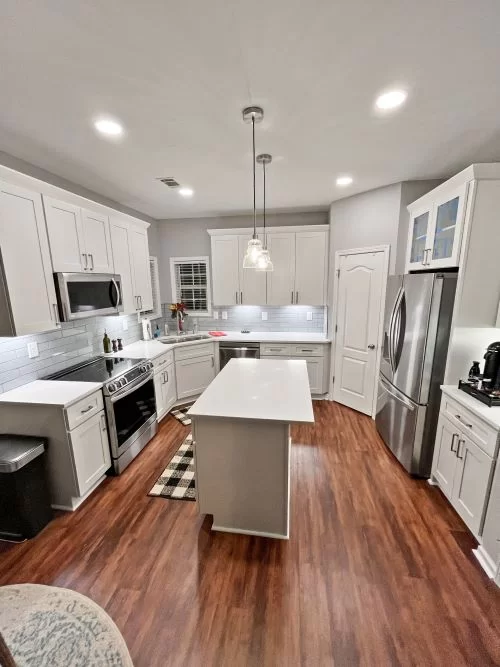
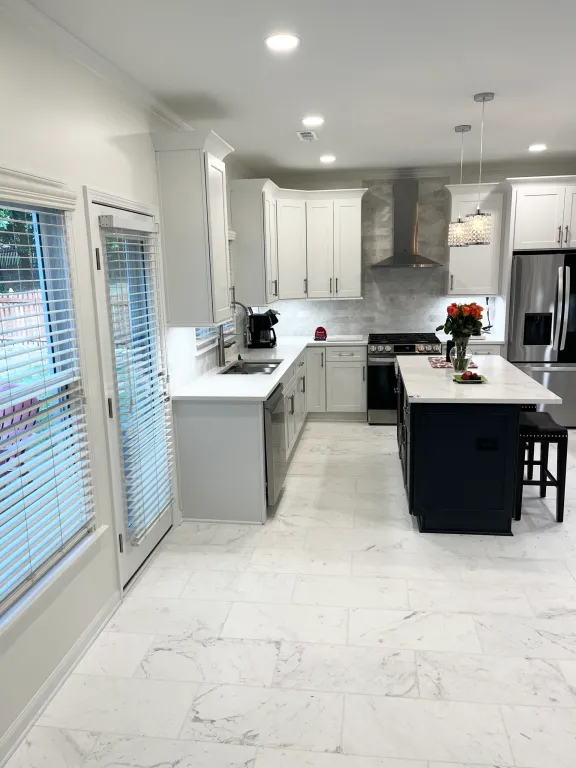
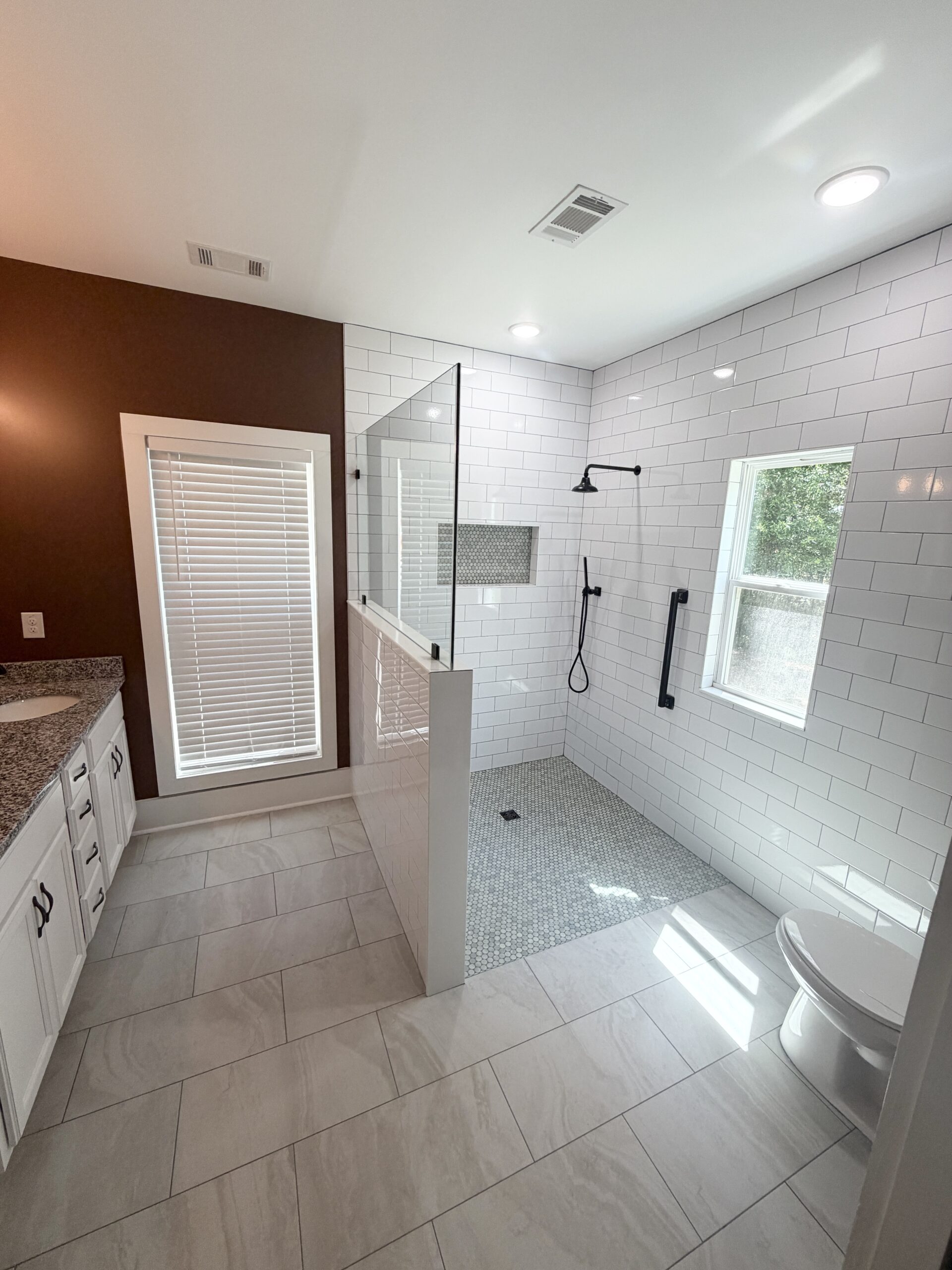
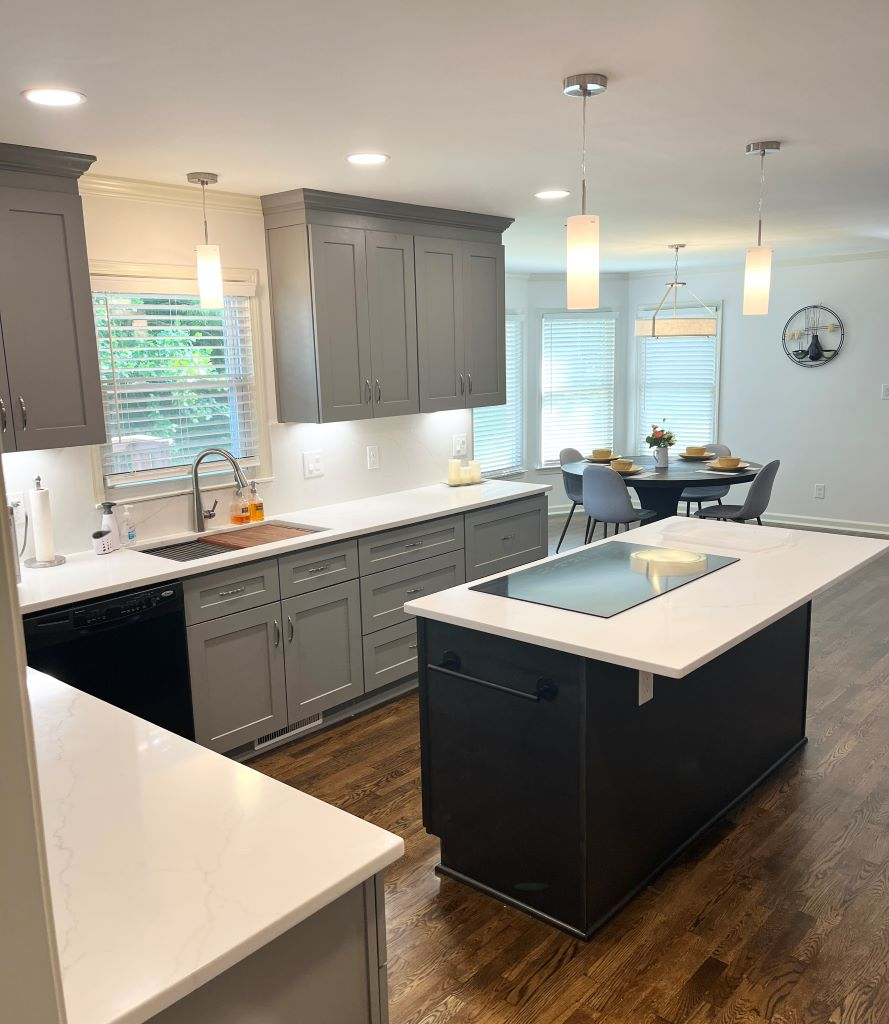
When pipes reach the end of their lifespan, patch-job repairs become expensive money pits. The most cost-effective solution is to address the infrastructure during a planned kitchen remodeling or bathroom renovation project. By opening up the walls, an experienced home improvement contractor can completely pull out old, corroded lines and run pristine, modern PVC or PEX plumbing lines that will flow flawlessly for decades.
Are persistent drainage issues making you realize your kitchen or bathroom layout has run its course? At Hill Residential Contractors, we don’t just handle gorgeous surface aesthetics—we build premium spaces with rock-solid plumbing infrastructure from the ground up. We proudly serve homeowners across Gwinnett County, including Lawrenceville, Suwanee, Duluth, and Buford, GA.
Upgrade Your Home and Plumbing Today!
-
Give Us a Call: +1 (770) 568-0060
-
Email Our Project Team: [email protected]
-
Schedule a Consultation Online: Fill out our digital contact form here to map out your next home remodeling project.